

Burnout Prevention + Treatment: Supporting Your Nervous System in a Demanding World
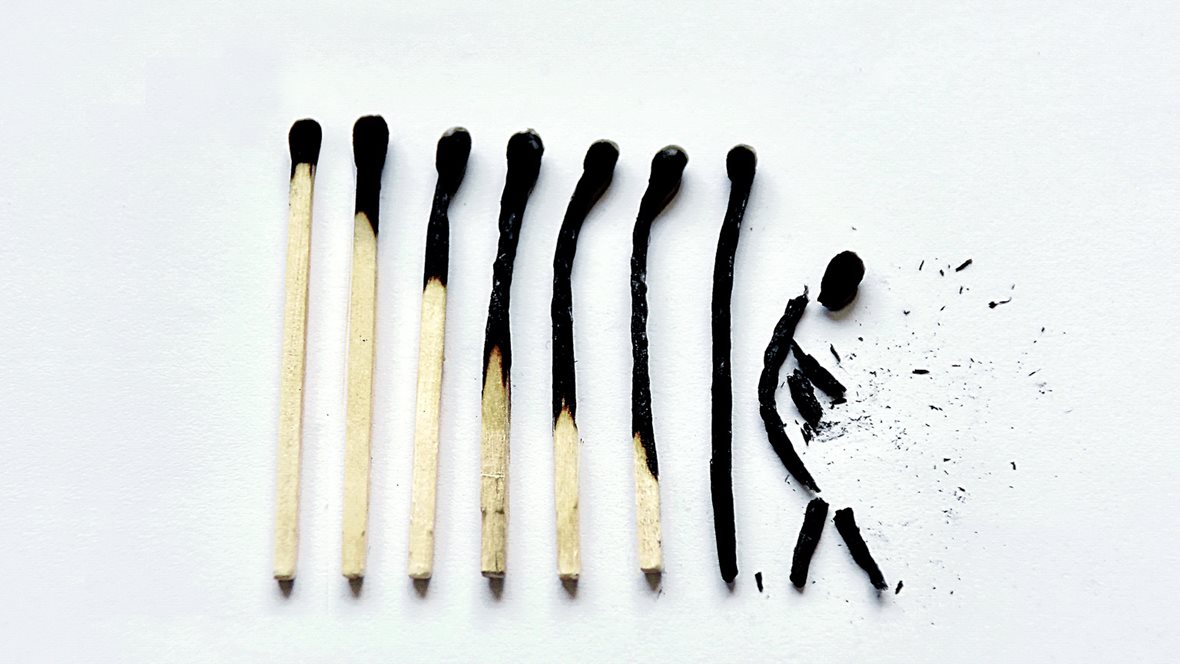
What Is Burnout Prevention and Treatment?
Burnout prevention and treatment is a holistic, nervous-system-informed approach to restoring balance when prolonged stress has overwhelmed a person’s physical, emotional, and mental resources. While burnout is not classified as a medical condition, the World Health Organization defines it as an occupational phenomenon resulting from unmanaged workplace stress.
This modality works by addressing both the external stressors (workload, boundaries, role strain and misalignment with values) and the internal stress response (nervous system dysregulation, cognitive patterns and emotional exhaustion).
At its core, burnout recovery focuses on:
- Awareness of warning signs – identifying early indicators such as prolonged fatigue, cynicism, irritability, reduced performance and emotional numbness.
- Nervous system regulation – supporting the body to shift out of prolonged “fight, flight, or freeze” states through breathwork, somatic practices, rest cycles and safe connection.
- Cognitive and emotional processing – challenging unhelpful beliefs (e.g., perfectionism or over-responsibility) and processing accumulated stress.
- Lifestyle recalibration – restoring sleep, nutrition, movement, boundaries, meaningful activity and realistic workload expectations.
- Sustainable resilience building – developing tools to prevent relapse, such as stress mapping, energy budgeting and aligned decision-making.
Rather than simply encouraging time off, this approach recognizes that burnout is a signal of nervous system overload and systemic imbalance. Treatment therefore supports both recovery and long-term change. This helps individuals move from survival mode back into regulation and engagement.
Why Is This Topic So Important Right Now?
The World Health Organization formally recognized burnout as an occupational phenomenon, reflecting how widespread and normalized prolonged workplace stress has become.
In fast-paced urban environments, many people are navigating high workloads, financial pressure, digital overstimulation and blurred work–life boundaries, all while remaining constantly “reachable.”
From a nervous system perspective, many people are living in near-continuous low-grade activation, which means the body is in a constant state of being slightly stressed even if there is no immediate danger. Emails, notifications, commuting stress and performance culture keep the body in prolonged “fight or flight.”
The nervous system is designed for short bursts of stress followed by recovery. It is not designed for prolonged activation without rest.
Over time, this can show up not only as emotional exhaustion and detachment, but also as physical symptoms such as:
- Persistent fatigue (even after sleep)
- Headaches or migraines
- Muscle tension, especially in the neck and shoulders
- Digestive issues (bloating and nausea)
- Weakened immunity and frequent illness
- Sleep disruption or insomnia
- Heart palpitations or increased resting heart rate
Remote and hybrid work models accelerated during the COVID-19 pandemic and have further blurred boundaries between personal and professional life, increasing the risk of nervous system dysregulation.
Urban burnout is also compounded by reduced restorative inputs. People are spending less time in nature, are experiencing fragmented sleep and are exposed to constant sensory stimulation through social media, television and modern lifestyles.
Without intentional recovery practices, the stress cycle often remains incomplete.
For these reasons, burnout prevention is not simply a workplace issue, it is a nervous system and whole-body health issue. Addressing it supports emotional wellbeing, physical resilience, relational capacity and sustainable functioning in an increasingly demanding world.
Who Is Burnout Recovery Most Suited For?
Burnout prevention and recovery work is suited for individuals who feel overwhelmed, emotionally depleted or stuck in survival mode, especially those navigating ongoing stress without adequate recovery.
It can be particularly supportive for:
- High-achieving professionals who struggle with perfectionism, over-responsibility or difficulty switching off.
- Healthcare workers, teachers and carers who experience emotional labour and compassion fatigue.
- Parents and caregivers balancing multiple roles with limited rest.Entrepreneurs and business owners managing sustained pressure and uncertainty.
- Students facing academic pressure, exam stress, performance expectations and uncertainty about the future.
- People in high-demand corporate or urban environments with blurred work–life boundaries.Individuals recovering from prolonged stress (e.g., post-crisis, post-pandemic or after a demanding life transition).
This approach is especially beneficial for those noticing early warning signs, such as irritability, fatigue, reduced motivation, sleep disruption or physical stress symptoms, but it is equally valuable for those already feeling fully burned out and needing structured recovery.
It also suits individuals who want a whole-person approach, combining nervous system regulation, lifestyle shifts, cognitive insight and practical boundary-setting, rather than just taking time off and returning to the same unsustainable patterns.
Ultimately, it is most suited for anyone who recognizes that their stress load has exceeded their capacity and wants sustainable tools to restore balance and prevent relapse.
What Can Someone Expect From a Session?
A burnout prevention or recovery session is typically supportive, paced and tailored to your current nervous system capacity. The focus is not just on “doing more,” but on restoring safety, regulation and sustainable functioning.
Depending on the format (1:1 sessions or a structured programme), clients can expect:
Exploration of Current Stress Load and Warning Signs
Gently mapping current symptoms, energy levels, sleep, emotional patterns, workload and lifestyle factors to understand where overload is occurring.
Nervous System Education
Learning how ongoing stress impacts the body (e.g., fight, flight, freeze states) and how regulation works.
Somatic and Regulation Practices
Breathwork, grounding exercises, body awareness, pacing strategies and stress-cycle completion techniques to support physiological recovery.
Cognitive and Emotional Processing
Identifying patterns such as perfectionism, people-pleasing, over-functioning or difficulty setting boundaries and gently reshaping them.
Lifestyle and Boundary Work
Reviewing workload, daily rhythms, rest cycles, screen use, movement and recovery habits.
Personalised Recovery Planning
Developing a sustainable plan that may include phased rest, gradual re-engagement, values alignment and relapse-prevention tools.
Importantly, the work is collaborative and compassionate. Recovery is not about pushing through, it’s about rebuilding capacity in a way that supports long-term wellbeing rather than short-term productivity.
Common Myths About Burnout
“Burnout just means you’re not resilient enough.”
Burnout is not a personal weakness. It is often the result of prolonged stress, unrealistic demands, and insufficient recovery.
“A holiday will fix it.”
Time off can help temporarily, but if the underlying workload, boundaries or internal patterns don’t change, symptoms often return quickly.
“It’s just part of being successful.”
High performance does not require constant exhaustion.
“Burnout is the same as stress.”
Stress is typically short-term and can even be motivating. Burnout is what happens when stress continues without adequate restoration.
“If I slow down, everything will fall apart.”
Strategic slowing down often improves clarity, decision-making and long-term effectiveness.
“It’s only work-related.”
While the World Health Organization defines burnout as an occupational phenomenon, similar patterns of depletion can occur in caregiving, parenting, studying or other high-demand roles.
Addressing these myths is important because they often keep people stuck in overdrive.
3 Practical Tips to Support Your Wellbeing
1. Create a Daily “Micro-Reset” Ritual
Instead of waiting for a holiday, build small recovery moments into your day. This might include slow breathing, stepping outside for natural light, gentle stretching or sitting without screens.
2. Work With an “Energy Budget”
At the start of the week, map out what genuinely requires your energy. Notice what drains you and what restores you.
3. Complete the Stress Cycle Physically
Stress is physiological, not just mental. Gentle movement, breathwork or even humming can help your body discharge activation.
These practices are intentionally simple. Burnout recovery isn’t about adding more to your to-do list, it’s about supporting your nervous system in steady, manageable ways.
Important Notes
While burnout recovery and prevention strategies are generally safe, there are a few important considerations:
- Pacing is essential.
- Everyone’s stress response and recovery capacity are unique.
- Burnout strategies complement, but do not replace, professional medical or psychological treatment when needed.
- Consistency over intensity is key.
Recovery is a gradual, supportive process. Listening to your body and adjusting pace is essential to preventing setbacks and promoting lasting wellbeing.
About Heal-In
I am a Specialist Wellness Counsellor registered with the ASCHP, supporting individuals to prevent and recover from burnout.
My approach combines nervous system support, practical lifestyle tools and personalised strategies to help clients regain energy, clarity and long-term resilience.
Who I Serve
I work with individuals who are feeling overwhelmed, exhausted or stuck in patterns of ongoing stress including professionals, caregivers, students and high-achievers.
What Makes My Approach Different?
My approach combines practical lifestyle strategies with nervous system-informed counselling, addressing both the body and mind.
Rather than simply managing symptoms, I help clients understand their stress patterns, restore regulation and create personalised, sustainable tools that fit into real life.
Services Offered
- 1:1 Counselling Sessions
- Lifestyle & Wellbeing Counselling
- Student & Teenager Support
- Burnout Prevention Planning
- Mindfulness & Self-Compassion Counselling
- Grief & Loss Counselling
- Trauma Support
- Substance Abuse & Addiction Counselling
- Couples Counselling
- Counselling for Survivors of Childhood Sexual Abuse
Each service is personalised to meet your current needs and goals with an emphasis on sustainable practices rather than quick fixes.
Clients can easily book a session by: Email: taryntolmay.counsellor@gmail.com or on WhatsApp: 077 498 4728
Lessons Learned
One of the biggest lessons I’ve learned is that well-being is a practice, not a destination.
Paying attention to stress signals, setting boundaries and practising self-compassion are key to preventing burnout and understanding what is within your capacity.
The most rewarding part of my work is seeing clients reconnect with their energy, clarity and sense of balance.